Wonky Monkey: A Font That Brings Personality to Branding
I was staring at a blank brand board, the usual suspects—clean sans serifs, elegant scripts, and classic fonts—feeling a bit stuck. The client wanted something that felt authentic, quirky, and memorable. Something that would stand out in a crowded market. That’s when I stumbled upon Wonky Monkey. It wasn’t just another font; it was a personality, a vibe, and a statement.
A Typeface with Character
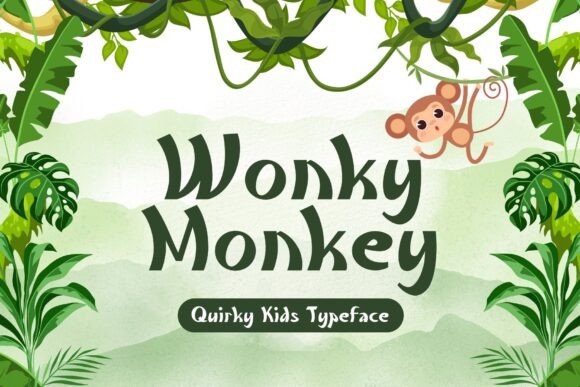
Wonky Monkey is a display font with a bold, offbeat charm. Its letters are intentionally irregular, with playful curves and unexpected angles that give it a sense of movement and spontaneity. It feels like it was hand-drawn by someone who loves to experiment, and that’s exactly what makes it so engaging. There’s no need for perfection here—just authenticity.
The font has a whimsical yet approachable mood. It’s not too childish, nor is it too edgy. It strikes a balance between fun and professional, making it versatile enough to work across various design applications. Whether it's used for a logo, packaging, or social media graphics, Wonky Monkey brings a unique energy that can elevate a brand’s visual identity.
Testing It Out on a Real Project
I decided to test Wonky Monkey on a branding project for a small café called "The Grind." The owner wanted a look that felt cozy, inviting, and a little bit different from the typical coffee shop aesthetic. After sketching a few logo concepts, I knew Wonky Monkey could be the perfect fit.
I started by using it as the primary typeface for the logo. The irregularity of the font added character without being overwhelming. It worked well with the café’s name, creating a sense of playfulness that aligned with their brand values. I paired it with a clean sans serif font for body text, ensuring readability while maintaining visual interest.
As I developed the brand identity, I considered how Wonky Monkey would perform in different contexts. On business cards, it was bold and eye-catching, but I made sure to use it sparingly to avoid overwhelming the reader. On packaging, it added a touch of personality that felt right for the café’s casual, community-focused vibe.
Design Applications for Wonky Monkey
Wonky Monkey is best suited as a display or headline font. It shines in short-form text, such as headlines, taglines, and signage. However, it’s important to use it wisely. Because of its quirky nature, it may not be ideal for long blocks of text or formal documents. Instead, it works best as an accent font or supporting typeface that complements other elements of the design.
Here are some real-world applications where Wonky Monkey has proven effective:
- Logo Design: Adds a distinctive personality to brand names and slogans.
- Brand Identity: Enhances visual storytelling through consistent use in marketing materials.
- Packaging Design: Creates a memorable experience for customers on product labels and wrappers.
- Social Media Graphics: Stands out in Instagram posts, Facebook banners, and Twitter headers.
- Posters and Flyers: Adds a lively, attention-grabbing element to event promotions.
- Editorial Design: Works well in magazines, brochures, and newsletters for a more dynamic feel.
- Website Headers: Makes a strong first impression on landing pages and homepage hero sections.
- Printed Marketing Materials: Adds a creative edge to brochures, catalogs, and promotional flyers.
Practical Tips for Using Wonky Monkey
Before committing to Wonky Monkey for a full brand system, it’s important to test it in various formats and sizes. How does it look on a business card? How does it scale on a large banner? Does it maintain legibility in different color combinations?
Also, consider the context in which the font will be used. If you’re designing for a more serious or professional audience, use Wonky Monkey sparingly—perhaps as a highlight or callout. For a more playful or creative brand, it can be a central element of the design.
When pairing Wonky Monkey with other fonts, look for contrast and balance. A clean sans serif or serif font can help ground the design and improve readability. Script or handwritten fonts may clash, so it’s best to keep them separate unless the design calls for a cohesive, eclectic style.
Check the font’s included styles, weights, and alternates. Some versions may offer ligatures or special characters that can enhance your design. Also, ensure that the font supports the languages and symbols relevant to your project. File formats and licensing should also be considered, especially if the design will be used commercially.
Final Thoughts on Wonky Monkey
Working with Wonky Monkey has been a refreshing change from the usual design routine. It’s a font that invites creativity and encourages experimentation. Whether you're building a brand for a café, boutique, or creative studio, Wonky Monkey can add a unique touch that sets your work apart.
Remember, typography is more than just choosing a font—it’s about conveying the right message, evoking the right emotion, and creating a lasting impression. With Wonky Monkey, you have a powerful tool that can help you achieve all of that.